As summer winds down in Springfield, many homeowners find themselves facing a familiar problem. After working hard through months of Virginia heat and humidity, an older air conditioner may start struggling to keep the house comfortable. Maybe you’ve noticed higher utility bills, inconsistent temperatures or the need for multiple service calls to address recurring issues.
At that point, it’s natural to wonder: should you repair or replace your air conditioner?
The answer is not always straightforward. While some systems can continue operating reliably with the right repairs, others may be nearing the end of their useful life and could cost more to maintain than they’re worth. Understanding the difference can help you make a smart financial decision before another summer arrives.
In this guide, we’ll explore the key factors that influence the AC repair vs replacement decision, discuss signs that your system may still have life left in it and explain when investing in a new AC system may provide greater long-term value. As a trusted local HVAC company, Oasis Air Conditioning & Heating helps homeowners make informed decisions based on their needs, not a one-size-fits-all recommendation.
Signs Your Air Conditioner Can Still Be Repaired
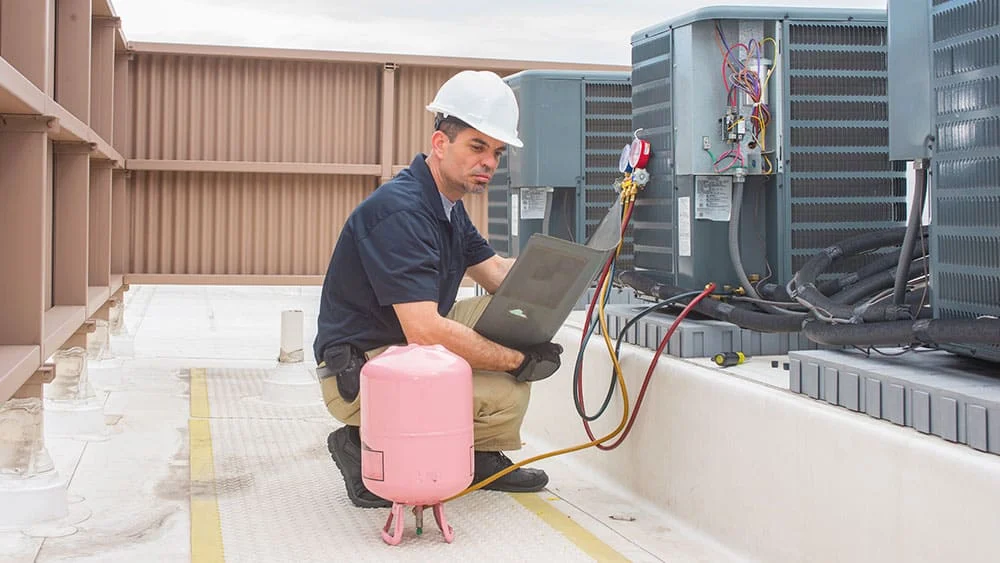
Not every air conditioning issue means it’s time for an HVAC replacement. In fact, many common cooling problems can be resolved with professional air conditioner repair services, especially when the equipment is relatively new and has been properly maintained. Repairs often make sense when dealing with:
- Minor electrical issues
- Failed capacitors or contactors
- Thermostat malfunctions
- Clogged condenser drain lines
- Repairable refrigerant leaks
- Components still covered under a manufacturer warranty
If your system is less than 10 to 12 years old and the repair cost is reasonable, fixing the problem may be the most cost-effective option. Many summer AC problems are isolated issues that can be resolved without replacing the entire system.
Another important consideration is the overall condition of the equipment. If the unit has a strong maintenance history, cools your home effectively and has not required frequent repairs in recent years, repairing it may provide several more years of dependable performance.
However, there comes a point when continuing to invest in repairs no longer makes financial sense. That’s when it’s time to evaluate whether replacement offers a better return on investment. Maintenance history also plays an important role in the repair-versus-replace decision. Homeowners who invest in annual tune-ups often get more years of reliable operation from their equipment. A well-maintained system is typically a stronger candidate for repair because technicians can identify and address small issues before they develop into major failures.
When Replacement Is the Better Investment
Knowing when to replace air conditioner equipment can save homeowners from repeated breakdowns and rising operating costs. While there is no universal age at which every system should be replaced, several warning signs suggest replacement deserves serious consideration:
- Your system is 12 to 15 years old or older
- You need frequent service visits every summer
- The compressor or evaporator coil has failed
- Monthly energy bills continue increasing
- Certain rooms never seem comfortable
- Repair estimates approach the cost of a replacement system
Another factor to consider is the type of refrigerant your system uses. Some older air conditioners rely on refrigerants that have become increasingly expensive and more difficult to source. Even if the unit is still operating, future repairs involving refrigerant leaks or recharging may carry higher costs, making replacement a more practical long-term investment.
An aging system often becomes less efficient over time, requiring longer run cycles to achieve the same level of comfort. Those longer cycles can increase wear and tear while driving up utility costs.
If you’re repeatedly paying for repairs, that money may be better spent toward a new AC system that delivers improved reliability and efficiency. Rather than focusing only on the upfront cost, it’s important to consider future repair expenses, monthly operating costs and the risk of a complete system failure during peak summer heat.
How the “$5,000 Rule” Can Help Guide Your Decision
When deciding whether to repair or replace air conditioner equipment, many HVAC professionals reference what’s commonly known as the “$5,000 Rule.”
The basic formula is: Age of the system × Repair cost = Decision guide
For example, if your air conditioner is 12 years old and the repair will cost $500:
12 × $500 = $6,000
Because the result exceeds $5,000, replacement may be worth considering. If the system is only 5 years old and requires a $400 repair:
5 × $400 = $2,000
In that case, repair is often the more logical choice.
It’s important to remember that the rule is only a starting point. The condition of the equipment, its maintenance history, energy efficiency and likelihood of future repairs all play an important role. A professional evaluation can provide a much clearer picture of what makes sense for your specific situation.
Benefits of Installing a New Air Conditioner
Today’s air conditioning systems offer much more than simply cooling for your home. Modern equipment is designed to improve comfort, efficiency and convenience in ways that older systems cannot match.
A high efficiency air conditioner can provide:
More Consistent Comfort
New systems offer improved airflow and temperature control, helping eliminate hot and cold spots throughout the home.
Better Humidity Control
Virginia summers often bring significant humidity. Modern systems do a better job of removing excess moisture from indoor air, creating a more comfortable environment.
Lower Energy Bills
Because newer equipment is more efficient, many homeowners see reduced cooling costs compared to older systems approaching the end of their air conditioner lifespan.
Quieter Operation
Advancements in technology have resulted in quieter indoor and outdoor units, reducing operational noise around your home.
Improved Technology Integration
Many new systems work seamlessly with smart thermostats, allowing homeowners to manage comfort settings and energy usage from virtually anywhere.
Strong Manufacturer Warranties
A new AC system typically includes warranty protection that can provide added confidence and reduce future repair concerns.
Over the long run, these benefits can help offset the initial investment while improving everyday comfort for your family.
Why Late Summer Is a Great Time to Replace Your AC
Many homeowners wait until their air conditioner fails completely before considering replacement. Unfortunately, that often means making a rushed decision during the hottest days of the year.
Replacing your system before next summer offers several advantages.
First, you can avoid the stress and inconvenience of a major breakdown during extreme heat. Planning ahead provides more time to evaluate equipment options and make an informed decision.
Second, late summer and early fall may provide greater scheduling flexibility compared to peak cooling season, when HVAC companies are typically managing high volumes of emergency service calls.
Third, a proactive replacement allows you to enjoy improved efficiency and comfort immediately while preparing your home for future cooling seasons.
For homeowners considering Springfield VA AC repair versus replacement, taking action before a complete failure often leads to a smoother and less stressful experience.
Let Oasis Help You Make the Right Decision
Every home and every air conditioning system is different. For homeowners weighing Springfield VA AC repair against replacement, the right choice depends on equipment age, repair history, energy efficiency, overall condition and long-term comfort goals. Taking the time to evaluate these factors now can help you avoid unexpected cooling problems when next summer’s heat arrives.
If you’re trying to decide whether to repair or replace your air conditioner, the best first step is a professional evaluation. An experienced technician can assess your system, discuss your options and provide honest recommendations based on what delivers the best value for your situation.
At Oasis Air Conditioning & Heating, we believe homeowners deserve clear guidance without pressure. Whether a simple air conditioner repair makes sense or an HVAC replacement would provide greater long-term benefits, we’re here to help you make a confident decision before another Virginia summer arrives.
Contact Oasis today to schedule a system evaluation and get expert recommendations tailored to your home’s comfort needs or check out our guide to how to choose an HVAC system.
FAQs
Should I repair a 15-year-old AC?
It depends on the repair cost and overall condition of the unit. If the system has required frequent repairs or faces a major component failure, replacement is often the better long-term investment.
How much does AC replacement cost?
Costs vary based on system size, efficiency level, installation requirements and home layout. A professional evaluation is the best way to receive an accurate estimate.
How long should an air conditioner last?
Most systems have an air conditioner lifespan of approximately 12 to 15 years when properly maintained, though some may last longer.
When is the best time to replace an AC?
Late summer and early fall are often excellent times to replace a system because homeowners can avoid emergency breakdowns and have more time to compare options.
Will a new AC lower my electric bill?
In many cases, yes. A high efficiency air conditioner can use significantly less energy than an older, less efficient unit, helping reduce monthly cooling costs.