

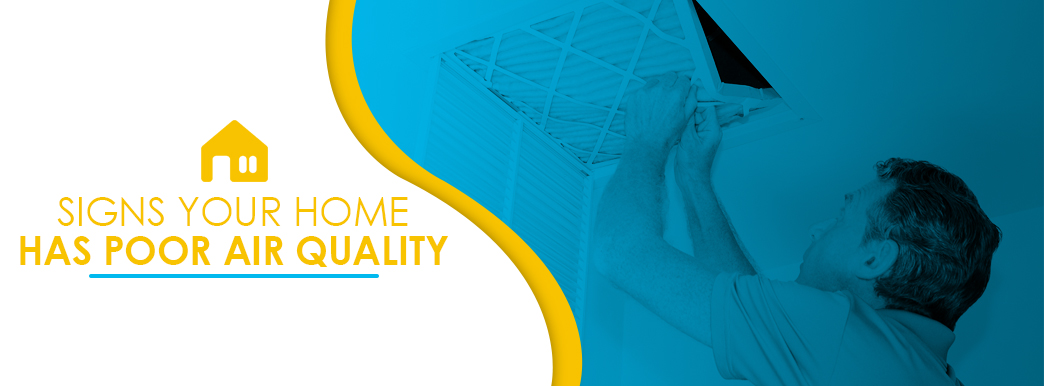
In the 1970s, people noticed that their office buildings were making them sick. To control heating and air conditioning costs, many builders had constructed buildings that were virtually airtight with almost no airflow. Pollutants and contaminants hung in the air, and the result became known as Sick Building Syndrome. If you’ve ever been in a sick building, you know the signs: headaches, hoarseness, nausea, nosebleeds, chronic fatigue, mental fogginess, dry, itchy skin and watering eyes — to name a few.
Sick Building Syndrome, however, doesn’t just happen in office towers. It can also happen in your home. The National Institute for Occupational Safety and Health prefers the term “indoor air quality,” which is a term more familiar to homeowners. The air in your home can produce many of the same results seen in a sick office building if it’s low-quality and left untreated.
You can often determine the quality of air in your home by the health of the people who live there. You should watch for any of the following signs that appear in you or members of your family:
- Congestion
- Sneezing
- Watery eyes
- Nosebleeds
- Coughing
- Headache
- Mental fogginess
While it may be tempting to think the symptoms are the result of weather conditions, such as a change in the air pressure or the advent of snow or a thunderstorm, they’re often the signs of a problem with indoor air quality.
One way to determine the cause of these problems is to pay attention to when they start. For instance, if you display any of the symptoms above in the morning before you head to work, then they stop once you leave your home and start again once you return, it’s almost a sure sign that the problem exists inside your home.
These problems can be caused by anything from dust mites and toxic mold spores to cleaners and the off-gassing of newer pieces of furniture. In more extreme cases, the signs above can escalate to more severe symptoms, such as muscle pain, fever, chills, shortness of breath, rashes and chronic sickness.
Here are six additional signs that indicate possible problems with the indoor air quality of your home.
1. Dust Buildup on Surfaces and Around Vents
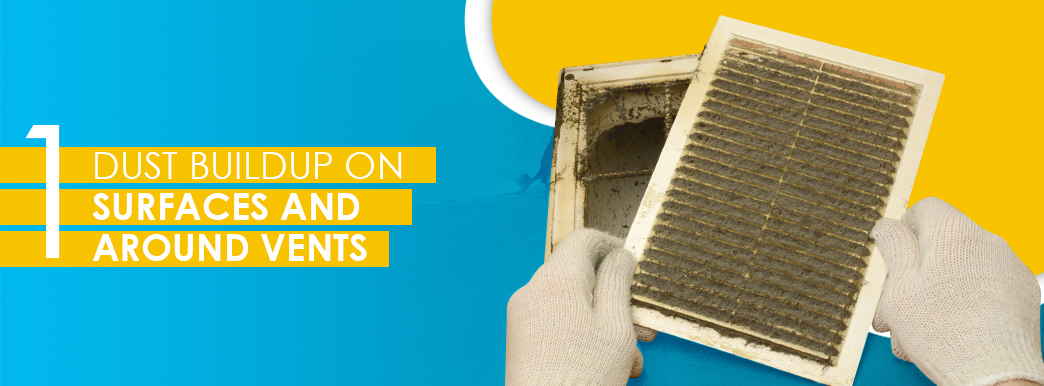
If your home seems extraordinarily dusty, or if you inspect the HVAC air vents in your home’s system and they’re covered in dust, in all likelihood, you have a problem. At the very least, this is a sign of a buildup of dust mites, pet dander and pollen that aggravates symptoms for anyone who has an allergy and makes breathing more difficult for anyone who has asthma.
2. Humidity Issues
You always want to keep the humidity level in your home between 35% and 50%. This range is an ideal level that will ensure a comfortable feeling in your home and also inhibit the growth of microorganisms.
If your home lacks humidity, the resulting dry air can lead to sore eyes, plugged sinuses, dry, itchy skin and upper respiratory illnesses. Too much humidity, and your home becomes a playground for mold, mildew and other forms of microbes. A humidifier for a too-dry home or a dehumidifier for a too-humid home is likely your best solution.
3. Growths or Odors in Your Home
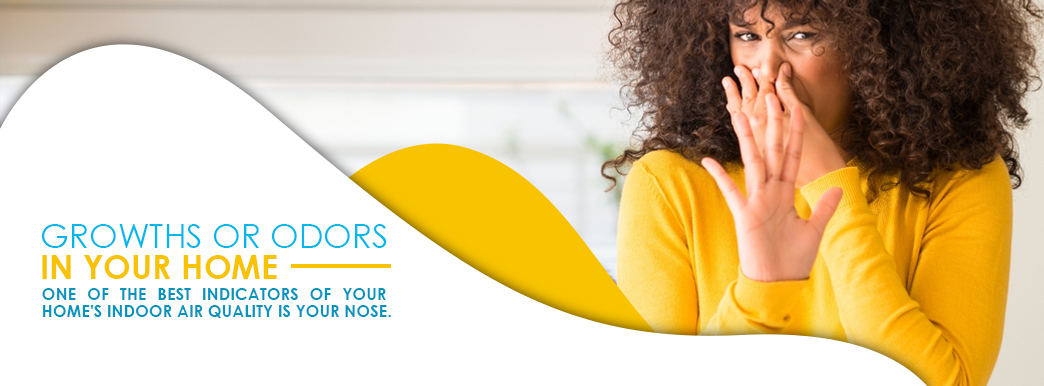
One of the best indicators of your home’s indoor air quality is your nose. Have you ever walked into someone else’s home and immediately detected that the air was too stale or stuffy? You would never comment on it to your host, of course, but that doesn’t mean you didn’t notice it.
The truth is that sometimes “air pollution” can be worse inside your home than it is outside. Mold and mildew growths can produce that stale, earthy odor that lingers throughout a space. Meanwhile, volatile organic chemicals (VOCs) release harmful chemicals into the air. VOCs can be produced by elements such as carpets, children’s craft supplies, paint, new furniture, cleaning products and even that freshly pressed jacket you picked up from the local dry cleaners.
One of the biggest contributors to VOCs inside your home is something that’s supposed to make the air smell better — air fresheners. Air fresheners contain many VOCs that are listed on the side of the can as “fragrance.” Air freshener manufacturers are not required to list the exact breakdown of the chemicals in a can of their product, and people with asthma or other breathing problems often find that air fresheners make their conditions worse.
Tests by the National Resources Defense Council found that some air fresheners contain phthalates, which have been linked to childhood development issues and hormonal problems.
Here are some smells and orders that indicate poor air quality:
- A musty smell: That musty smell is almost always a sign of mold and mildew in the home, normally caused by high humidity levels and poor air circulation. Look for black or green mold spots on surfaces in your home — they’re normally around sinks, tubs and laundry areas, where exposure to moisture is high.
- Other unpleasant odors: As we mentioned above, sometimes your home just doesn’t “smell right,” and it can be a sign of chemicals like VOCs in the air, pest infestation or the decomposition of dust or dirt in your home. We all become used to the smell of our homes, so if you want to find out whether you have a problem, step outside in the fresh air for 30 to 60 minutes, then walked back inside. If there’s a problem, your nose will notice it. Try more natural solutions to remove the odors first, such as sprigs of mint or rosemary. You can also open the windows in your home and let fresh air blow in. If that doesn’t help, it’s probably time to seek the assistance of a professional.
4. Condensation
Nobody likes “sweaty” windows in their home. They’re what you get, however, when you have a condensation problem. Condensation occurs when water vapor in the air condenses on cool surfaces, such as windows (one of the first places where condensation will appear), granite countertops, faucets and other surfaces. Any kind of metal frame can develop these issues. While condensation on the outside of that first glass of cold lemonade on a summer afternoon is something you probably look forward to, condensation on items inside your home shouldn’t be as welcome.
Condensation is an even more serious problem for anyone with allergies. Warm, humid environments — ones that contain lots of moisture — encourage the growth of the mold and mildew mentioned above.
Here are some ways that you can combat excessive moisture and condensation in your home:
- Use a dehumidifier: A good dehumidifier can take as much as a gallon of water out of the air in your home every day. These tools are particularly useful in areas like damp basements, laundry rooms and bathrooms with a shower.
- Limit plants and aquariums: Aquariums can often add a lovely touch to your home, but they also add a lot of moisture. Don’t group two or three of them together. If you have a lot of plants, try to group them together in a sunny room, and don’t overwater them.
- Pay attention to indoor heaters: Indoor heaters can help a room feel cozy, but they can also add a lot of moisture to your home. Sometimes they also emit toxic gases. Don’t ever use an unventilated heater indoors if it relies on fossil fuels, like a kerosene heater.
- Dry your clothes outdoors: Drying your clothes outdoors, of course, is not possible the entire year, especially if you live in a cold climate. Spring and summer, however, are great times for this change, which can reduce the level of moisture in your home and lower your electricity bill too.
5. Dust in the Air
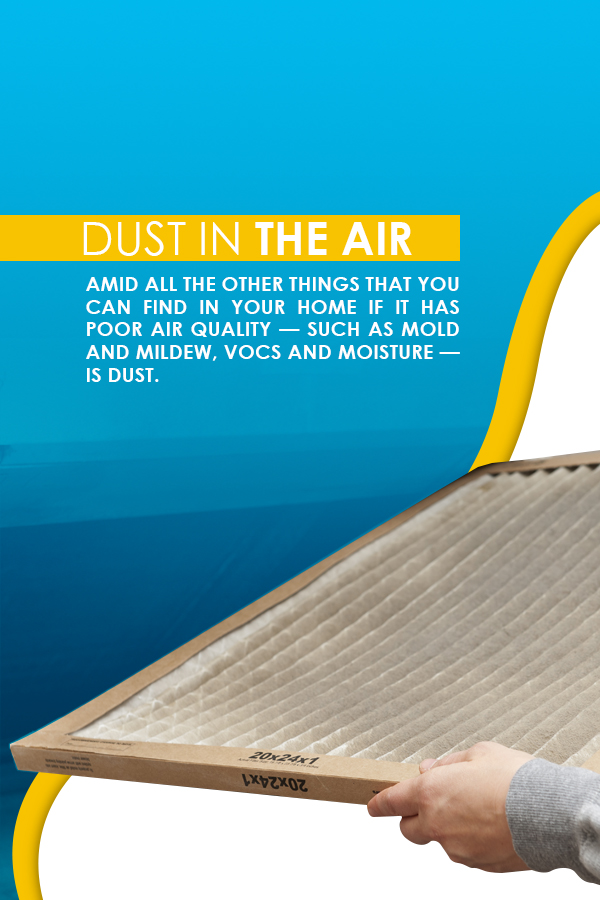
Amid all the other things that you can find in your home if it has poor air quality — such as mold and mildew, VOCs and moisture — is dust. Dust can be composed of dead human cells, dirt from outside, pet dander, pollen, hair, paper fibers and even cosmic particles. A single dust particle can remain suspended in the air for up to five days.
Where there is dust, there are dust mites. Microscopic dust mites are insect-like pests that create some of the most common allergens that trigger allergic reactions or asthma. Hundreds of thousands of them can live in your home. They don’t sting or bite or do anything nasty, but they create allergens from their fecal matter and body fragments.
Dust mites are a big problem for people with allergies or asthma. Ongoing exposure to dust mites in the home can create an immune system response known as allergic rhinitis. These responses can range from mild to severe. Occasional sneezing, watery eyes or a runny nose are mild conditions. In more severe situations, persistent sneezing and coughing and severe asthma attacks are common.
These dust mites are found in almost every home in America. Since dust mites don’t actually drink water but absorb it through their bodies via moisture in the air, a home with high humidity and moisture is more than likely to have a lot of dust mites. That’s why areas of low humidity, such as desert communities in states like Arizona and New Mexico, have far fewer problems with dust mites than states like Florida, Georgia and Mississippi.
If you want to know how to improve your indoor air quality, here are a few ways you can reduce the number of dust mites in your home and help anyone who has allergies or asthma:
- Vacuum often: Use a vacuum with strong suction and a HEPA filter. In areas of high traffic, vacuum more than once. If you do have carpets, make sure you get around the edges — that’s a great place for dust and dust mites to gather. Vacuum at least twice a week for the best results, and make sure you clean your filter regularly.
- Reduce humidity: If you keep your home at the 35% to 50% humidity level, you’ll have fewer problems with dust mites.
- Wash bedding at least once a week: You’re more frequently exposed to the allergens created by dust mites when you’re sleeping or when the dust is disturbed while you’re making your bed or even moving around at night. Washing your bed linens at least once a week is important particularly if you suffer from allergies or asthma.
- Remove all carpeting, drapes and curtains: If you or someone in your home suffers from allergies or asthma, remove all materials where dust and dust mites are known to congregate. Carpets are very bad for people with allergies or asthma. Drapes and curtains are not quite as bad as carpets, but if possible, they should be removed and replaced with blinds.
- Mop it up: After you vacuum your home, remember that mopping removes the dust that vacuuming leaves behind. You don’t need to use soaps and cleaners — you use those when you want to clean your floors. If you want to remove leftover allergens and dust, plain water works just fine. Try a new microfiber mop or dust cloth, which can pick up more dust and dirt than traditional fibers.
6. Air Without the Enough Moisture
As you’ve seen above, too much moisture in the air is one of the main causes of inferior indoor air quality. If you’re worried about too much moisture in the air, some of the suggestions above — such as not over watering your plants, not having too many aquariums in the same room, drying your clothes outdoors when you can and buying a good dehumidifier — will help.
If you’re worried that your home doesn’t have enough moisture in the air, a humidifier can solve the problem. If you’re concerned about finding the right kind of dehumidifier or humidifier for your home, you should contact the experts at OASIS Heating, A/C & Refrigeration, Inc. in Northern Virginia — we can help you find the right whole home humidifier and dehumidifier solutions.
What to Do If You Suspect You Have an Air Quality Issue

It can often be difficult to determine the real cause of air quality issues. Is the issue mold or mildew? Do you have too much moisture in the air? Do you have a problem with dust and dust mites? Do you need a humidifier or a dehumidifier? Could your current HVAC system be contributing to your air quality problems in your home?
If you’re not sure about the answers, it’s likely time to consult an expert like OASIS Heating, A/C & Refrigeration, Inc. We’re a family owned and operated business located in Lorton, Virginia, and we’ve been servicing the Fairfax, Springfield and Northern Virginia areas since 1998. Our main goal at Oasis is quality — quality service, quality repairs and quality installations. Our dedicated staff will work with you to make sure your experience with Oasis is exactly what you need and more.
If you have any concerns about the air quality in your home and want a professional evaluation to help you determine the best solutions, call us at 571-322-6209 or contact us online so that you can tell us about your indoor air quality concerns. A member of our team will get back to you as soon as possible.

![([site_name)]](/assets/templates/main/images/footer-logo.png)